

A considered website process, built around the decisions your business needs to make.
A website project does not need to begin with a fixed page count or visual direction. It begins by understanding who needs to be reached, what they need to understand, and what should happen next. Clickmark brings that thinking together with content, design, practical development and post-launch operation in one clear process.
You do not need a finished brief or every piece of copy before we talk. We can start with the current site, a change in the business, or the outcome you need the website to support.
You do not need every answer before the first conversation.
A useful project can start before a detailed specification exists. In our first conversation, we separate what is already clear from what needs investigating, then identify the next decisions together.
The current situation
We look at the existing website or opportunity, a change in the business, and where sales, recruitment or communication currently feels difficult.
Audience and next action
We clarify who needs to understand the site, what they are deciding, and whether the right next step is an enquiry, purchase, application, booking or conversation.
Available information and people
Existing sales material, copy, photography, case studies, reviewers and the team responsible for updates all help us understand the practical starting point.
Conditions and priorities
We discuss timing, budget context, required integrations and what needs attention first, then establish a realistic order for the work.
A sensible order for making and confirming the important decisions.
No two projects have identical scope or timing. The questions that prevent costly rework, however, do have an order. We adapt the depth of each stage to the situation while moving through these seven practical steps.
-
01
First conversation and shared priorities
We discuss the business context, the audience you need to reach, and what is not working or not yet possible with the current website and communication.
The decision:Why is this project important now?
-
02
Review the current position and scope the project
We assess the existing site, content, editorial workflow, required integrations and launch conditions. This separates what should be created from what should be retained and improved.
The decision:What deserves priority in this phase?
-
03
Plan information, content and the route forward
We shape the page structure, headings, proof, FAQs and route to contact so people arriving from search, referral or direct research can understand what matters in a useful order.
The decision:What should each audience understand, and in what order?
-
04
Set the design direction and page-level choices
The visual direction needs to reflect the brand while keeping the experience easy to use. Photography, copy, spacing, calls to action and mobile reading are considered together.
The decision:How should the site feel while remaining easy to use?
-
05
Build, set up the CMS and connect what is needed
The agreed design and structure become a working website. We establish the editing approach, forms, measurement, ecommerce or external integrations needed for the site to operate well.
The decision:Who will use and maintain the website after launch?
-
06
Check, migrate and prepare for launch
We review the experience across devices, links, forms, copy, imagery and core search/measurement setup. For a redesign, we also plan URLs, valuable content, access and launch procedures.
The decision:What must be confirmed before the site goes live?
-
07
Launch, hand over and improve
After launch, we share the editing setup, confirm early activity and establish how updates, measurement and future improvements can continue. A website should remain useful as the business changes.
The decision:What will guide the next improvement after launch?
Different projects need different emphasis, not an entirely different way of thinking.
A new website, a redesign, ecommerce and Japanese–English communication each bring their own decisions. The same clear process gives those decisions a practical place to be made.
When you are starting a new website
We establish the business value, first message, necessary pages and the information your team will want to keep current after launch.
When you are renewing an existing website
We review useful information, URLs and existing entry points before deciding what should remain, change or be consolidated.
When the website needs to sell
Product value, purchase confidence, shipping and returns information, and everyday merchandising are planned as one joined-up customer experience.
When the site needs to work in Japanese and English
We establish each audience, the explanations they need, the copy-review process, corresponding pages and the editorial rules early in the project.
The most useful preparation is not perfect material. It is shared decision-making.
- The people who can review and approve key decisions, and a workable review process
- Existing sales material, service information, the current site and common customer questions
- Available logos, photography, brand guidance, product information and case-study material
- Appropriate access to the domain, hosting, CMS, analytics and forms when an existing site is involved
- A realistic desired launch window and a plan for who will update and improve the site afterwards
Services and projects that can help at the point you are starting from.
The right combination of support depends on the project. We can bring together new website production, redesign, Japanese–English communication, technical foundations and ongoing support around what the business needs next.

FLOW GYM — Personal Training Website and Logo in Kobe
A website, logo and editable success-story CMS for FLOW GYM, a private personal-training gym in Kobe designed around creating a positive flow for every person.
Read the case study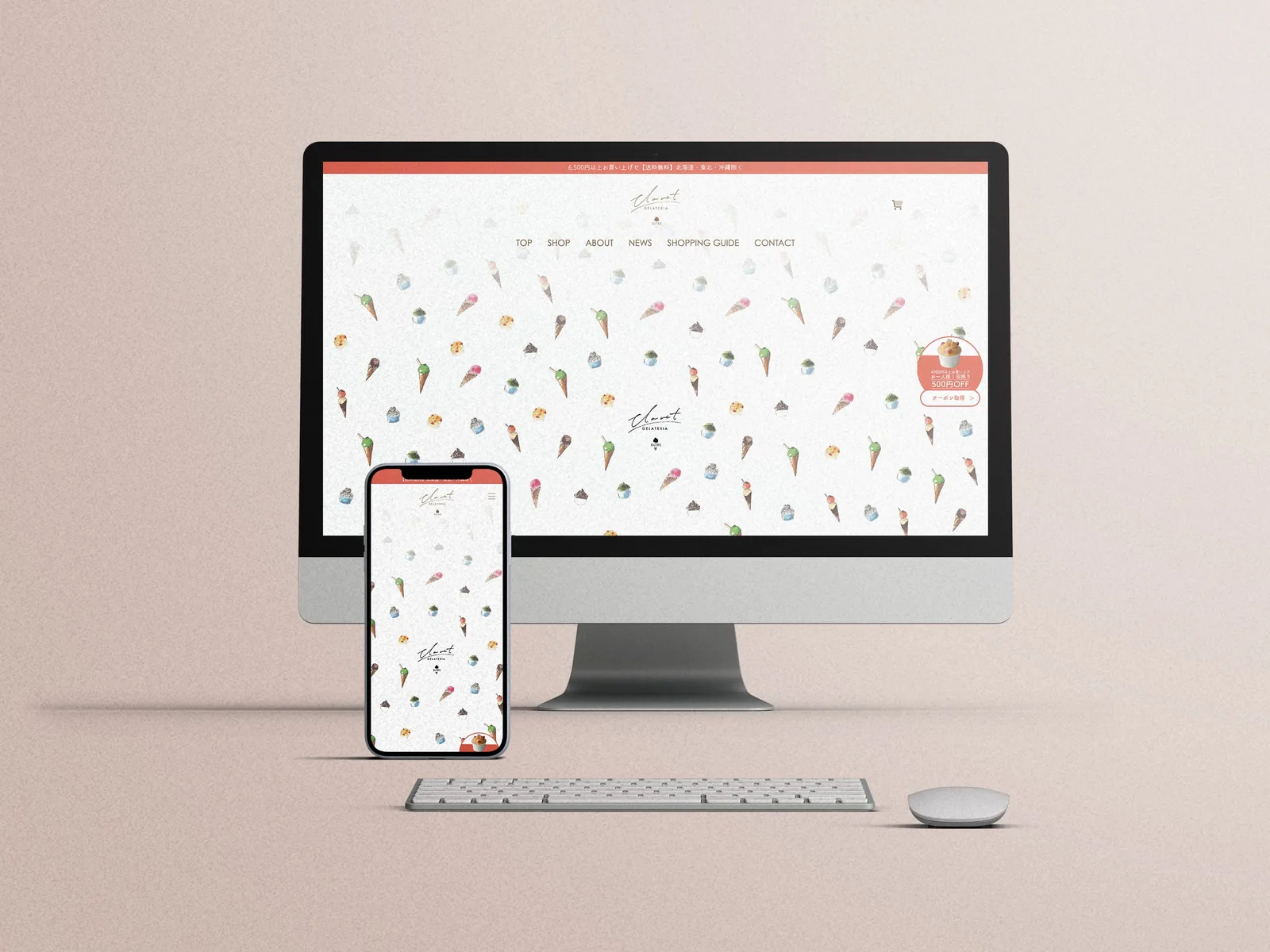
Glass Claret — Ecommerce Website for a Kobe Gelato Brand
An ecommerce website that brings Glass Claret’s joyful gelato brand to life while making it easy to discover products, choose a gift and shop with confidence.
Read the case study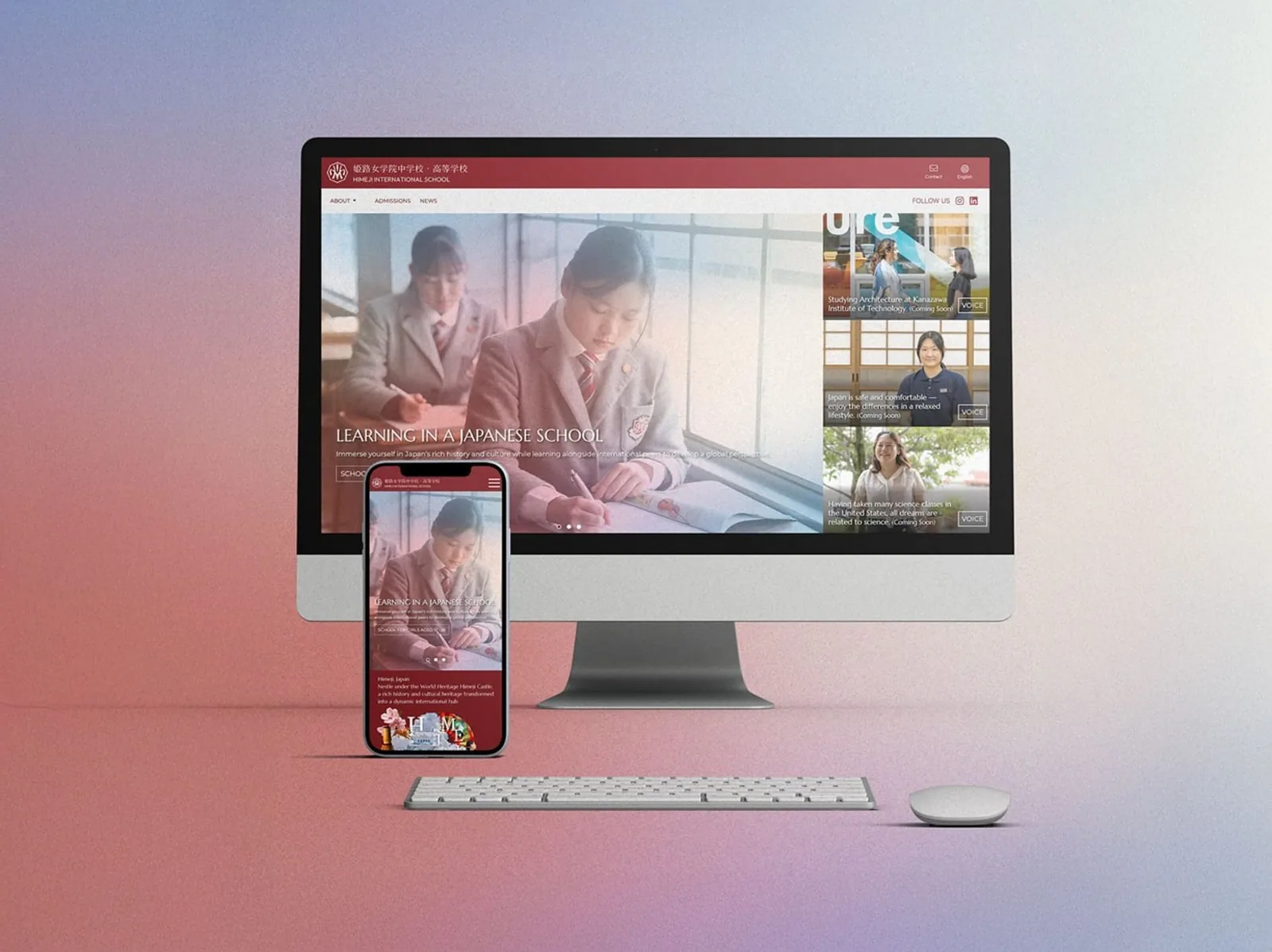
Himeji International School — International Student Website
An international-facing school website that helps prospective students and families understand learning, life and admissions at Himeji International School in Japan.
Read the case studyQuestions before getting started
Can we talk before we know the exact pages or budget?
Yes. A business goal, the current challenge and an approximate timing are enough to begin. We can use the first conversation to clarify priorities and the level of work that is likely to help.
Can the project start before all copy and photography is ready?
Yes. Existing sales material, the current site, recurring questions and case studies are valuable starting points. We can identify what needs preparing and the order in which it should be developed.
What happens to existing URLs, email and analytics during a redesign?
We review URLs, valuable content, forms, domain/DNS/email arrangements and analytics before changes are made. Any potentially affected area is planned into the migration and launch checks.
Can Clickmark help after the website launches?
Yes. We can support CMS updates, WordPress and technical checks, and the next improvements informed by site activity, enquiries and changes in the business.